
Seven Key Steps We Take to Ensure Your Vehicle’s Safety During Long-Distance Towing

Vehicle safety during long-distance towing requires careful planning and controlled execution. This article explains the seven steps DandC Towing Service follows to protect vehicles and occupants throughout transit, so owners understand how proper towing practices reduce risk.
This guide covers pre-tow inspections, the role of professional equipment, step-by-step towing procedures, risk management methods, and roadside assistance for emergencies. Each topic explains how specific actions improve safety and limit potential damage during transport.
The seven key steps to ensure vehicle safety during long-distance towing include:
- Comprehensive Pre-Tow Inspections: Thorough inspections to ensure the vehicle is roadworthy.
- Proper Securing Techniques: Utilizing effective tie-down methods to secure the vehicle for travel.
- Utilization of Professional Equipment: Employing advanced tow trucks and equipment designed for safety.
- Adherence to Step-by-Step Towing Procedures: Following specific procedures that prioritize safety during the transport.
- Risk Management Strategies: Implementing measures to prevent damage and address potential issues.
- Roadside Assistance Services: Offering support during emergencies to help secure and assist motorists.
- Licensed and Bonded Operations: Ensuring trust and reliability through proper credentials.
DandC Towing Service enforces these safety standards at every stage to reduce risk and provide customers with reliable service.
What Are the Essential Pre-Tow Vehicle Safety Inspections?
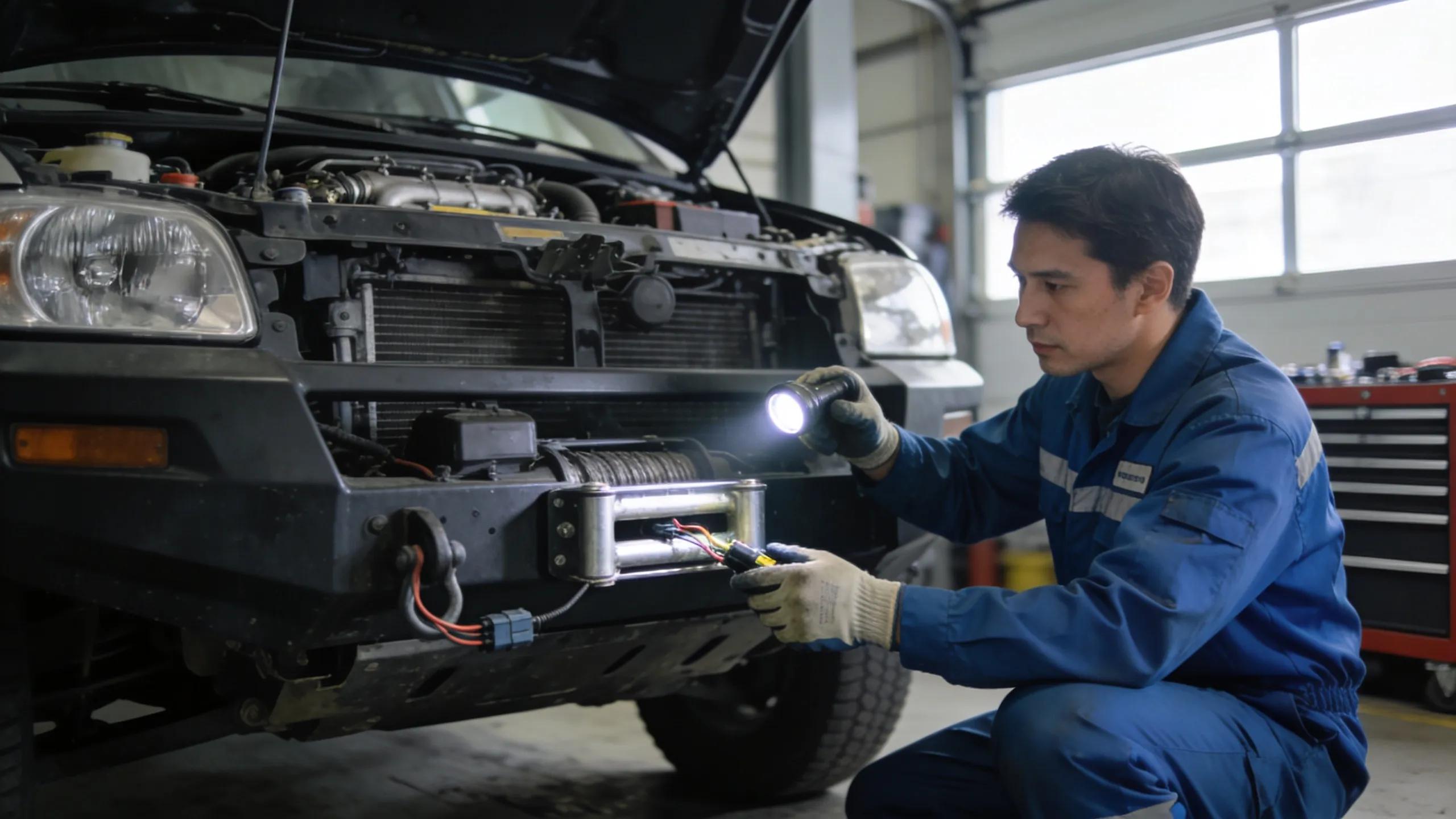
Pre-tow inspections are a series of checks that confirm a vehicle is fit for transport. Identifying mechanical issues before loading prevents avoidable faults and supports a safe tow.
Which Vehicle Components Are Checked Before Towing?
Pre-tow inspections focus on components that affect safety and transport stability, allowing technicians to address issues before departure.
- Fluid Levels: Ensuring that all essential fluids, such as oil, coolant, and brake fluid, are at appropriate levels to prevent overheating and mechanical failure.
- Tires: Inspecting tire pressure and tread depth to ensure proper grip and stability during transport.
- Battery Condition: Checking the battery to verify functionality, as a drained battery can lead to difficulties during the towing process.
How Do Our Certified Technicians Confirm Vehicle Readiness?
Certified technicians at DandC Towing Service follow standard protocols and apply their training to each inspection, focusing on completeness and accuracy.
- Performing multi-point safety checks to account for every critical component.
- Utilizing specialized equipment to assess various systems effectively.
- Documenting the condition of the vehicle to ensure transparency with the vehicle owner.
The technicians’ thorough inspections reduce the likelihood of incidents during transit and protect both the customer and the service provider.
How Does Professional Equipment Ensure Vehicle Protection During Towing?

Professional equipment provides the stability and control required for secure long-distance towing. Properly maintained tow trucks and tools lower the chance of damage and make operations more predictable.
For a wide array of professional towing solutions, consider exploring options available at automotive-towingservice.com. Their commitment ensures that vehicles are handled with the utmost care throughout the transportation process.
What Tie Down Techniques Secure Vehicles Safely?
Effective tie-down techniques use approved hardware and attach to secure anchor points to prevent movement without harming the vehicle.
- Straps and Chains: High-strength straps and chains are utilized to secure the vehicle firmly to the towing apparatus.
- Snow Chains: When necessary, chains are also implemented for added security, especially in varying weather conditions.
- Anchor Points: Proper identification of anchor points on the vehicle ensures that securing efforts do not cause damage while enhancing stability during transport.
These methods prevent shifting and maintain vehicle integrity from loading to delivery.
Why Are Advanced Tow Trucks and Safety Gear Critical?
Advanced tow trucks and approved safety gear increase control during loading and transit, reducing the risk of accidents and equipment failure.
- Specialized Equipment: Tow trucks equipped with hydraulic systems and adjustable platforms can handle a diverse range of vehicle types, ensuring a smooth transport.
- Safety Gear: The use of reflective gear and safety cones supports safe operation in various environments, alerting other motorists of the towing operation.
- Support Systems: Safety features such as stability control and load sensors enhance operational safety and provide peace of mind.
By combining modern equipment with established procedures, DandC Towing Service reduces the probability of incidents during towing.
For technical detail on tow truck design, classifications, and the procedures that prevent damage, the referenced resource summarises tow truck types and the operational requirements that support safe towing.
Comprehensive Guide to Tow Truck Operations and Safety Procedures
This chapter delivers a detailed survey of tow truck functions, classifications, and design requirements. It outlines flatbed and hoisting-and-towing models, describes common product types, and summarises safe operating procedures, including preparation, process guidelines, maintenance, and routine servicing. The chapter also covers typical faults and troubleshooting methods and provides a summary table to assist operators with practical problem-solving. Tow Truck, 2026
What Are the Step-by-Step Procedures for Long-Distance Vehicle Towing?
Consistent, documented procedures ensure each tow proceeds safely and predictably. Following a defined sequence reduces errors and maintains accountability throughout the transport.
Which Sequence of Actions Guarantees Safe Loading and Transit?
To guarantee safe loading and transit, DandC Towing Service adheres to the following sequence of actions:
- Initial Inspection: Conducting a thorough review of the vehicle’s condition before loading, which includes identifying any special requirements.
- Loading Procedures: Utilizing ramps or winches for easy loading and ensuring the vehicle is correctly positioned on the tow truck.
- Final Checks: Performing last-minute checks to verify that all safety measures are in place and the vehicle is securely fastened.
Following these steps reduces risks during transit and supports a reliable delivery process.
How Are Safety Checks Integrated Throughout the Towing Process?
Safety checks occur at every phase of the tow, from pre-loading inspections to monitoring during transit and a final post-delivery review.
- Ongoing Monitoring: Keeping an eye on the vehicle during transit for any changes or issues that may arise.
- Communication: Coordinating with the towing team to relay information about the load’s condition and any immediate checks needed.
- Post-Tow Inspection: Conducting a post-tow inspection upon arrival to ensure that the vehicle remains in satisfactory condition throughout the journey.
This structured process demonstrates DandC Towing Service’s commitment to safe transport and clear service standards.
How Do We Manage Risk and Prevent Damage in Long-Distance Towing?
Risk management combines proper securing, correct equipment selection, and operator training to prevent damage during long-distance towing.
What Are the Common Causes of Towing-Related Vehicle Damage?
Common causes of towing-related vehicle damage can include:
- Inadequate Securing: Failure to properly secure the vehicle can lead to shifting during transit, resulting in potential scratch marks or structural damage.
- Improper Weight Distribution: Uneven weight distribution on the tow truck can impact stability and lead to loss of control.
- Road Conditions: Adverse weather or poor road conditions can increase the risk of damage during transport.
Identifying these causes allows technicians to apply targeted countermeasures for each transport scenario.
Which Industry Standards and Guidelines Do We Follow for Safety?
DandC Towing Service follows applicable towing regulations and internal quality standards to maintain consistent safety performance.
- Compliance with Towing Regulations: Following local and national towing regulations that dictate safe practices and equipment requirements.
- Safety Training for Technicians: Continuous education and training programs for our technicians regarding modern safety procedures and equipment usage.
- Quality Checks: Regular reviews of equipment and practices to align with established safety guidelines, ensuring that service standards are upheld.
Adherence to these protocols demonstrates the company’s focus on safety, reliability, and regulatory compliance.
What Safety Measures Are Included in Our Roadside Assistance Services?
DandC Towing Service’s roadside assistance includes rapid response, secure vehicle handling, and clear communication to support motorists during emergencies.
How Do We Secure Vehicles and Assist Motorists During Emergencies?
In emergencies, the team focuses on:
- Immediate Assistance: Dispatching emergency services promptly to affected motorists.
- Vehicle Security: Utilizing equipment and techniques specifically designed to secure vehicles safely until further assistance arrives.
- Communication: Keeping the vehicle owner informed throughout the process to ensure peace of mind.
This approach enables effective incident response while prioritising safety for the vehicle and occupants.
What Equipment and Training Support Our Emergency Response?
The emergency response is backed by specialised tools and structured training programs to ensure competent, safe interventions.
- Advanced Rescue Tools: Using hydraulic jacks, winches, and other equipment designed for safe vehicle extrication.
- Training Programs: Ongoing training sessions for staff covering emergency protocols, equipment operation, and safety procedures.
- Safety Gear: Issuing proper safety gear to team members to maintain personal safety during emergency situations.
These assets and training provide a reliable framework for safe emergency operations.
How Does Our Licensed and Bonded Status Enhance Vehicle Safety Assurance?
Operating as a licensed and bonded towing company signals professional accountability and offers customers formal protections during service delivery.
What Credentials Verify Our Professional Reliability?
Key credentials that verify our professional reliability include:
- Towing Licenses: Valid licenses that indicate compliance with professional standards and regulations.
- Bonding: Financial coverage providing protection for clients against damages or issues arising during the service.
- Insurance: Comprehensive insurance policies that protect both the towing service and vehicle owners in case of unforeseen incidents.
These credentials support transparent operations and provide clients with measurable safeguards.
Why Is Trust Important for Customers Choosing Long-Distance Towing?
Trust affects customer decisions and outcomes in long-distance towing by ensuring clear expectations and reliable execution.
- Transparency: Clear communication and honest assessments regarding the towing process and any potential issues that may arise.
- Peace of Mind: Knowing that a licensed and bonded service is handling their vehicle instills confidence that their asset is protected.
- Reliability: A dependable service ensures that all precautions are taken and that unexpected situations are addressed efficiently.
That level of reliability improves customer satisfaction and reduces dispute risk during transport.
Frequently Asked Questions
What Can I Do to Prepare My Vehicle for Towing?
Before towing, remove loose personal items and secure any loose parts. Keep the fuel tank at about a quarter full or less to reduce weight. Photograph the vehicle’s condition, noting existing damage, and inform the towing company of modifications or known mechanical issues.
What Are the Risks of Long-Distance Towing?
Risks include damage from poor securing, instability due to incorrect weight distribution, adverse weather, and equipment failure. Choosing a qualified provider that follows industry practices reduces these risks.
How Do Road Conditions Affect Towing Safety?
Poor road surfaces, construction zones, and severe weather increase the likelihood of loss of traction, swaying, or control issues. DandC Towing Service mitigates these risks by selecting appropriate equipment and adjusting procedures to prevailing conditions.
What Should I Expect from Roadside Assistance Services?
Roadside assistance typically involves prompt dispatch, on-site assessment, securing the vehicle, and either on-the-spot repairs or towing. Expect professional communication, timely response, and technicians trained to handle emergencies efficiently.
How Is Equipment Maintenance Handled for Tow Trucks?
DandC Towing Service follows a scheduled maintenance programme that covers hydraulic systems, brakes, tires, and other critical components. Records are kept to track servicing and to detect issues before they become operational problems.
Can I Track My Vehicle During the Towing Process?
Many services, including DandC Towing Service, provide tracking and status updates. Customers can receive location and estimated arrival information to maintain transparency during transit. Check with the provider for available tracking options.
What Happens if My Vehicle Gets Damaged During Towing?
If damage occurs, the standard protocol is to document the damage immediately and complete a post-tow inspection. Customers can pursue compensation through the company’s bonding and insurance according to the service agreement and liability terms.
Conclusion
DandC Towing Service applies comprehensive inspections, professional equipment, and trained personnel to reduce the risk of damage during long-distance towing. Our licensed and bonded operations provide documented protections and consistent service standards for customers who require reliable vehicle transport.